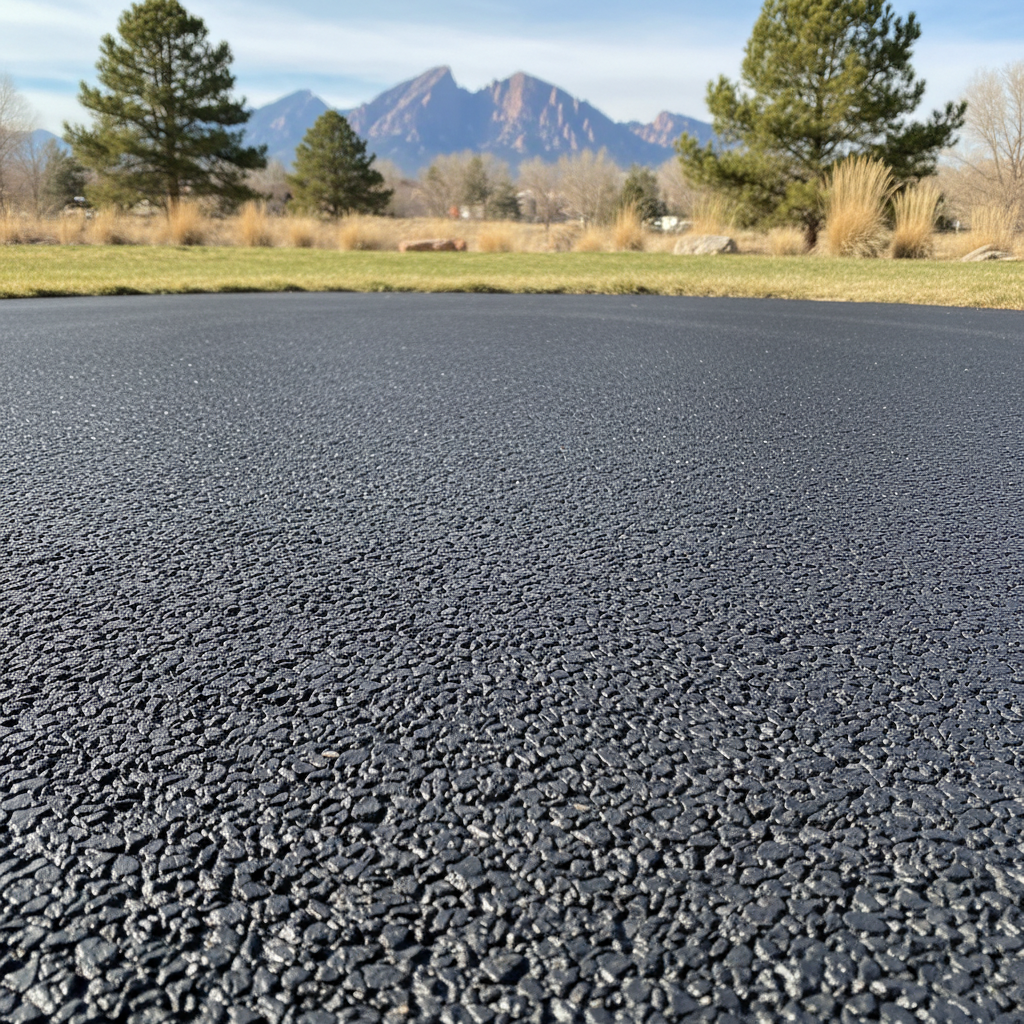
Thinking About a New Asphalt Driveway?
So, you're looking at your driveway, maybe it's cracked, crumbling, or just plain old, and you're wondering about asphalt. It's a solid choice for driveways here in Northglenn, especially with our freeze-thaw cycles. It's durable, relatively affordable, and when done right, it looks great. But before you jump in, let's talk about what you can realistically tackle yourself and when it's really time to call in the pros.
First off, let's be clear: installing a brand new asphalt driveway from scratch? That's almost always a job for a professional. It's not like pouring a concrete slab where you can rent a mixer and get a few buddies. Asphalt requires specialized equipment for heating, laying, and compacting, and it's got to be done quickly and precisely. You're talking about heavy machinery, specific temperatures, and a crew that knows what they're doing. Trying to DIY a full asphalt installation will likely cost you more in mistakes and re-dos than just hiring someone in the first place.
Before the Shovel Hits the Ground
Even if you're hiring a pro, there are things you should know and consider beforehand. This isn't just about picking the cheapest bid.
- Get Multiple Bids: Don't just go with the first company you call. Get at least three detailed estimates. Make sure they're quoting for the same scope of work.
- Check References & Insurance: Any reputable contractor will have references and proper insurance. Ask for both. You don't want someone working on your property without liability coverage.
- Understand the Base: A good asphalt driveway is only as good as its base. Here in Northglenn, especially in some of the older neighborhoods like those around Webster Lake, we've got some pretty expansive clay soils. If your contractor isn't talking about proper excavation, grading, and a solid aggregate base (usually 6-8 inches of compacted gravel), that's a red flag. Without a stable base, your asphalt will crack and heave prematurely.
- Drainage is Key: Where's the water going to go? Your driveway needs a slight slope to shed water away from your house and foundation. Make sure the plan includes proper drainage.
- Permits: For new installations or significant expansions, you might need a permit from the City of Northglenn. Your contractor should know this, but it's good to double-check.
During the Project: What to Watch For
Once the work starts, it's not really a DIY phase for you, but you can still be an informed homeowner. Pay attention to the process.
- Preparation: Is the old material being removed completely? Is the sub-base properly graded and compacted? You should see heavy machinery doing this work.
- Base Layer: They should be laying down a good layer of crushed aggregate, usually road base, and compacting it thoroughly. This is crucial for longevity.
- Asphalt Application: The asphalt should be hot when it's laid down. It should look smooth and even, not lumpy or inconsistent. They'll use a paver machine for this.
- Compaction: Immediately after laying, heavy rollers will compact the asphalt. This is what gives it its density and strength. You want to see multiple passes with a heavy roller.
- Thickness: Most residential driveways should have at least 2-3 inches of compacted asphalt. Make sure the contractor isn't skimping here.
After the Job: Your Part in Keeping it Nice
This is where you, the homeowner, can really make a difference in the lifespan of your asphalt. You can't lay it yourself, but you can maintain it.
- Curing Time: Stay off your new driveway for at least 2-3 days, sometimes longer in very hot weather. It needs to cure and harden. Don't park heavy vehicles on it too soon.
- Sealcoating: This is probably the biggest DIY job you can do for your asphalt. Sealcoating every 2-4 years protects the asphalt from UV rays, water penetration, and oil spills. You can buy sealcoat at hardware stores and apply it yourself with a squeegee or roller. It's messy, but totally doable. Make sure the driveway is clean and dry first.
- Crack Repair: Small cracks can be filled with asphalt crack filler, which you can also buy at a home improvement store. Catching these early prevents water from getting under the asphalt and causing bigger problems, especially during winter freeze-thaw cycles.
- Oil & Gas Spills: Clean these up quickly. Asphalt is petroleum-based, so oil and gas can dissolve it over time.
- Edging: Keep grass and weeds from growing into the edges of your driveway. This can cause deterioration.
Look, a well-installed and maintained asphalt driveway can last 20 years or more. It's a significant investment in your home. While the big installation is definitely a job for pros like us at M5 Distribution, knowing what to look for and taking care of it afterward can save you a lot of headache and money down the road. Don't be afraid to ask questions and be an informed customer.